


19 Jul How Divorce Affects Children: Strategies for Families
Key Takeaways
- Children’s reactions to divorce vary by age and individual temperament, demanding tailored support from their parents.
- Maintaining structured routines and honest, age-appropriate communication can significantly reduce the negative effects on children.
- Seeking the guidance of professional counselors and legal experts can benefit both the children and their parents as they transition into a new family dynamic.
Introduction
Divorce is a significant life event that can profoundly influence not only the couple involved but, most importantly, their children. For children, the prospect of their parents parting ways creates a major shift in their sense of security, family stability, and emotional landscape. Such transitions can evoke feelings of uncertainty, sadness, or even loss and abandonment. In Florida, families navigating these turbulent waters can benefit from working closely with a Volusia County divorce lawyer, ensuring the legal process is managed skillfully. This cooperation can help alleviate parental stress, allowing mothers and fathers to center their energy on what matters most—the well-being and adjustment of their children during this challenging new chapter.
Children’s reactions to divorce are far from uniform. Each child carries their own personality traits, coping mechanisms, and developmental understandings, meaning there is no “one size fits all” approach to helping kids manage the changes divorce brings. Some children may appear outwardly resilient while quietly internalizing confusion, guilt, or worry, whereas others may become openly emotional or exhibit behavioral outbursts. Parents who are aware of the potential for these varied responses are far better equipped to provide the patience, understanding, and support essential for fostering healthy adjustment. With research-backed strategies and, when warranted, professional assistance, families can work together to reshape their routines and maintain crucial connections, making it possible for children to continue growing emotionally, socially, and academically, even in the face of major life changes.
Emotional and Behavioral Responses
As divorce unfolds, children may be swept up in a tide of emotions that can feel overwhelming and hard to express. These emotions can range from sadness and confusion to anger, resentment, or guilt. Children might misconstrue the causes of the divorce, blaming themselves or one parent. This confusion can manifest in behaviors like withdrawal from family activities, increased irritability, or sudden outbursts. For some, emotional distress can lead to difficulties concentrating, sleep disturbances, or regressive actions such as bedwetting or thumb sucking. Observant parents who tune in to these signals can identify when their child may be suffering more profoundly and require extra comfort or support. Early recognition allows for timely intervention before these feelings escalate to more serious mental health problems, ensuring children feel seen, heard, and validated as they process the family changes.
Recognizing Emotional Changes
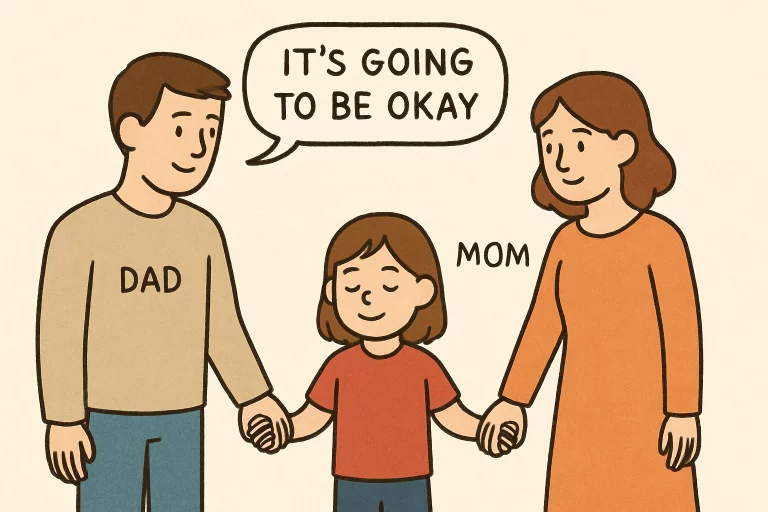
When children’s routines are altered or their primary sources of comfort shift, they may respond by either clinging more tightly to caregivers or shying away from interaction altogether. Some kids may excel at hiding their distress, suppressing their emotions so as not to “cause more trouble.” In contrast, others act out through aggression, defiance, or sudden drops in academic performance. For parents, paying close attention to both subtle and obvious changes provides an opportunity to intervene effectively. Reassuring children, being physically and emotionally available, and consistently inviting them to talk about their feelings—without judgment—lays the foundation for emotional stability. Encouraging positive self-expression, whether through art, conversation, or play, fosters the healing and adjustment process, nurturing resilience in the face of uncertainty.
Academic and Social Impacts
The effects of divorce can extend well beyond the home, directly influencing a child’s experience in school and social environments. Disrupted routines and emotional instability can have a tangible impact on concentration and motivation, leading to declining grades, incomplete assignments, or noticeable disengagement from classroom activities. Socially, children might withdraw from peers, lose interest in extracurricular activities, or experience conflict with friends as they navigate their shifting emotions. According to research, the school environment can either exacerbate a child’s stress or provide a critical sense of stability and support. Open lines of communication between home and school can enable teachers and counselors to respond more sensitively and proactively to a child’s needs amid family transitions. Collaborative intervention ensures the child has trusted adults monitoring their well-being and maintaining educational continuity, even as they adjust emotionally.
How Parents and Schools Can Help
Strong partnerships between parents and school professionals are indispensable during this period. Informing teachers, school counselors, or social workers about changes at home can prompt supportive measures tailored to the child’s current needs, such as adjusting academic expectations, monitoring for concerning behavior, or simply offering empathy. School-based counseling or peer support groups may also help students process their feelings and develop coping skills alongside others facing similar circumstances. The earlier these resources are leveraged, the better equipped children are to manage both academic pressures and the emotional rigors of their new realities.
Age-Specific Reactions
Children’s developmental stages play a pivotal role in how they interpret, react to, and process their parents’ divorce:
- Infants and Toddlers: The youngest children may not fully comprehend the reasons for the change, but they are acutely sensitive to emotional shifts and changes in routine. They may become unusually fussy, have trouble sleeping or eating, and crave physical closeness with their primary caregivers. Maintaining nurturing routines and providing lots of reassurance is essential at this stage.
- Preschoolers: Children in this age group possess vivid imaginations but limited understanding of complex events. They may mistakenly believe they caused the separation, leading to fears of abandonment. Regressive behaviors—such as thumb sucking, night terrors, or frequent temper tantrums—are ways they signal insecurity. Gentle explanations and consistent, loving care can ease many of their worries.
- School-Aged Children: Older children can intellectually grasp the concept of divorce but may internalize guilt or confusion, especially if conflict is visible. They might act out by defying instructions, withdrawing socially, or experiencing a dip in academic performance. Some become fiercely protective of one parent or angry with both. Open, honest communication and reassurance that both parents love them—and that the divorce isn’t their fault—are important for helping them regain a sense of stability.
- Adolescents: Teens may exhibit heightened emotional responses, including anger, resentment, or even rebellious behavior such as substance use or rule-breaking. They often yearn for independence, which can complicate communication. Some teens may secretly struggle with depression, anxiety, or self-esteem issues as they question their own futures and relationships. Supportive dialogue, respect for their developing autonomy, and access to counseling can make a profound difference in their ability to adapt.
By understanding how children of different ages perceive and respond, parents can offer age-appropriate explanations, emotional support, and predictability to help each child adjust and thrive.
Strategies for Supporting Children
Actively supporting children through divorce requires intentional strategies that address both their need for routine and their emotional well-being. First and foremost, maintaining consistent routines—including mealtimes, bedtimes, and pick-up/drop-off schedules—reassures children that not everything in their world is changing. Predictability gives children a framework for security and resilience. Secondly, fostering a home environment where open and honest communication is encouraged helps children voice their worries or ask questions. By validating their feelings and dispelling misconceptions, parents reinforce trust and safety.
- Maintain Consistent Routines: Relying on familiar rituals nurtures a sense of stability, even when other parts of life feel unpredictable. Encourage children to participate in creating these routines, giving them a sense of control.
- Encourage Open Communication: Foster an honest dialogue about the changes that are taking place. Let children know that their love and acceptance by both parents will remain constant, irrespective of the divorce.
- Shield Children from Conflict: Whenever possible, keep legal disputes and parental arguments private. Exposure to conflict can heighten stress, fear, and confusion; therefore, a united front is vital when presenting to children.
- Provide Emotional Support: Offer patience and a listening ear. Encourage creative outlets, such as drawing, journaling, sports, or play, that allow children to process their emotions constructively. Stay patient as children experience a range of emotions, and reassure them that all emotions are valid and manageable.
Through these consistent, loving acts, parents create an environment in which children are empowered to heal and develop new coping skills, turning a potentially traumatic event into an opportunity for personal growth and family resilience.
Co-Parenting and Communication
Strong co-parenting and effective communication are essential cornerstones of a successful family transition following divorce. Children benefit most when parents can collaborate on parenting decisions and maintain clear, harmonious expectations between households. This united front not only provides children with the consistency they crave but also lowers confusion and helps them feel equally loved and supported by both parents. Establishing shared routines, discipline strategies, and rules in both homes simplifies the child’s experience and reduces anxiety.
Co-Parenting Tips
- Work together to develop a written parenting plan covering routines, discipline styles, and shared values.
- Keep communication focused on the child and remain civil even when conversations are challenging.
- Utilize co-parenting apps or shared calendars to organize logistics, reduce conflict, and facilitate smooth transitions between households. These tools can help minimize misunderstandings and increase accountability.
Effective co-parenting sends a powerful message: Even though the marital relationship has ended, the parental partnership remains united in prioritizing the child’s best interests. This approach can ease children’s stress and support strong, secure bonds with both parents.
Seeking Professional Help
If children display prolonged sadness, ongoing anxiety, withdrawal, persistent behavioral problems, or symptoms of depression, professional intervention is strongly advised. Child psychologists and family therapists bring specialized expertise in helping children and families work through the complex emotions surrounding divorce. Therapy provides children with a safe and neutral space to express their concerns and teaches them healthy coping mechanisms to manage stress and adapt to change. Family counseling also educates parents on recognizing signs of distress, responding constructively, and establishing healthy communication patterns.
Ultimately, divorce marks a turning point—not just for parents, but for every member of the family. With mindfulness, empathy, and skilled support, children can overcome the challenges that accompany this transition and emerge stronger, more adaptable, and emotionally secure. Families who prioritize their children’s well-being, collaborate with legal and mental health professionals, and apply thoughtful, evidence-based strategies can help ensure a healthy and hopeful path forward, even after major life changes.
No Comments