

11 Sep Recognizing and Responding to Common Dental Emergencies
Key Takeaways
- Dental emergencies can occur at any time, and prompt, informed action can reduce the risk of long-term issues.
- Immediate response knowledge relieves discomfort and improves dental health outcomes.
- Awareness and preparation are pivotal for confidently managing urgent dental situations.
- While professional dental care is essential, self-management until care is available can make a significant difference.
Why Dental Emergencies Happen
Dental emergencies are rarely predictable—they can arise from accidental falls, sports injuries, sudden pain, or untreated oral conditions. Everyday activities and underlying health issues, such as gum disease, often set the stage for urgent dental situations. The unpredictability of when or how these problems may occur highlights the importance of swift and appropriate action. Services like Norfolk emergency dentistry are critical for those moments when immediate professional care is required and can be the key to saving a tooth or preventing further complications.
More than 40% of adults in the United States experienced oral pain in the past year. These statistics illustrate the growing prevalence of dental discomfort and emergencies. Understanding personal risk factors—whether from an active lifestyle, existing dental work, or chronic conditions—can help individuals better prepare to respond effectively in the event of an emergency.
Most Common Types of Dental Emergencies
- Toothaches: Persistent pain signaling infection, decay, or injury to the tooth or surrounding gum tissue.
- Broken or Chipped Teeth: Often the result of biting on hard substances or trauma from an accident.
- Knocked-Out Tooth: Typically caused by a blow to the face or mouth; immediate action is crucial to saving the tooth.
- Lost Fillings or Crowns: Leaves sensitive tooth tissue exposed, creating significant discomfort and vulnerability to further damage.
- Abscesses and Infections: Characterized by swelling, pain, fever, or the presence of pus, these require urgent treatment to prevent serious health risks.
Incidents leading to dental emergencies are often sudden, but neglecting regular oral care can increase the risk of experiencing these situations. Frequent dental checkups and consistent oral hygiene are the most effective ways to minimize the chances of urgent issues developing.
Essential First Response Steps
The moments immediately following a dental emergency are critical. Remaining composed and knowing basic first aid can often preserve dental health and ease discomfort until a dentist is available. Here’s what to do:
- Rinse the mouth with warm water to remove debris and help prevent infection.
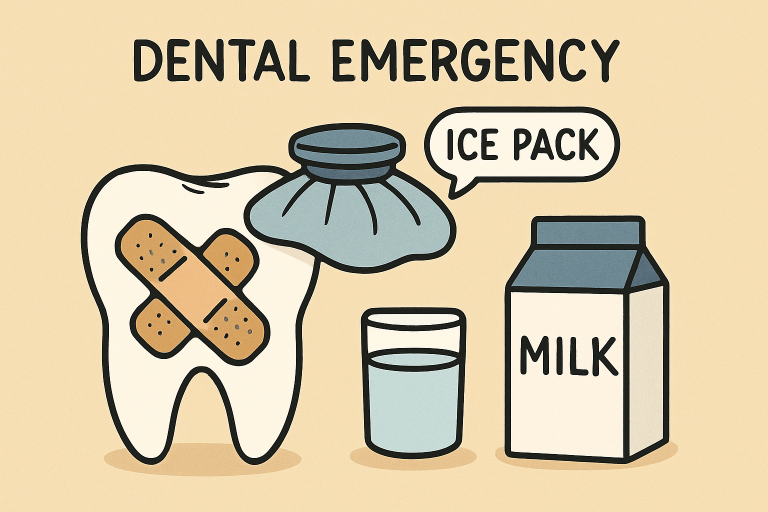
- Apply a cold compress to the outside of the cheek to minimize swelling and reduce pain.
- Preserve teeth or fragments in milk or a saline solution if a tooth has been knocked out or broken. This helps keep the cells on the root surface alive.
- Avoid using aspirin or numbing gels on the gums unless specifically directed to do so by a dentist, as these can worsen irritation or harm the gum tissue.
- Stop any bleeding by applying gentle pressure with sterile gauze or a clean cloth.
Taking these steps promptly can often prevent further injury and help ensure the best possible outcome when you do see a dentist.
When to Seek Professional Care
Specific dental emergencies require urgent professional attention to prevent permanent consequences. Severe tooth pain, noticeable swelling, fever, signs of infection such as pus, or a knocked-out tooth should prompt you to seek immediate dental care. Delaying treatment can lead to complications, including more extensive damage or the spread of infection. Research from the National Institutes of Health emphasizes that oral health is a crucial component of overall well-being, underscoring the importance of addressing dental crises promptly. If you’re ever unsure, err on the side of caution and contact a dental emergency provider.
Tips to Prevent Dental Emergencies
- Always use a mouthguard during contact sports and recreational activities.
- Avoid using your teeth as a substitute for tools such as scissors or bottle openers.
- Address tooth pain, sensitivity, or other concerns promptly to prevent more significant issues.
- Adopt a regular brushing, flossing, and dental checkup routine to maintain strong teeth and gums.
- Limit your consumption of hard or sticky foods, especially if you have dental restorations or a history of susceptibility to chips and fractures.
Supporting Children in Dental Emergencies
Children frequently experience dental injuries due to their energetic activities and developing coordination. If a child experiences a dental emergency, maintain a calm, reassuring demeanor and act promptly. For a knocked-out tooth, carefully pick up the tooth by the crown (not the root), gently rinse it with water if dirty, and place it in milk. Seek professional help immediately. Teaching children about dental safety—including the importance of wearing mouthguards and avoiding unsafe behaviors—can significantly reduce the risk of dental emergencies and help them respond effectively if one occurs.
Oral Health Kits and Preparedness
Keeping a well-stocked oral health kit can make a critical difference in responding to dental emergencies both at home and on the go. Essential components should include:
- Sterile gauze pads and cotton rolls for controlling bleeding
- A small, clean container with a secure lid to transport a tooth or fragments
- Over-the-counter pain relief (avoiding aspirin for children)
- A dental mirror and a small flashlight for proper assessment of injuries
- Easy access to contact information for local dental emergency services
Regularly reviewing and restocking your kit ensures you are always prepared to handle the unexpected.
Summary
Proactivity and knowledge are your best allies when facing a dental emergency. Immediate self-care, paired with rapid access to professional treatment, can prevent pain from turning into long-term damage. By understanding common emergencies, prepping an oral health kit, educating your family, and relying on reputable dental emergency care when needed, you empower yourself to protect your oral health under any circumstance.
No Comments