

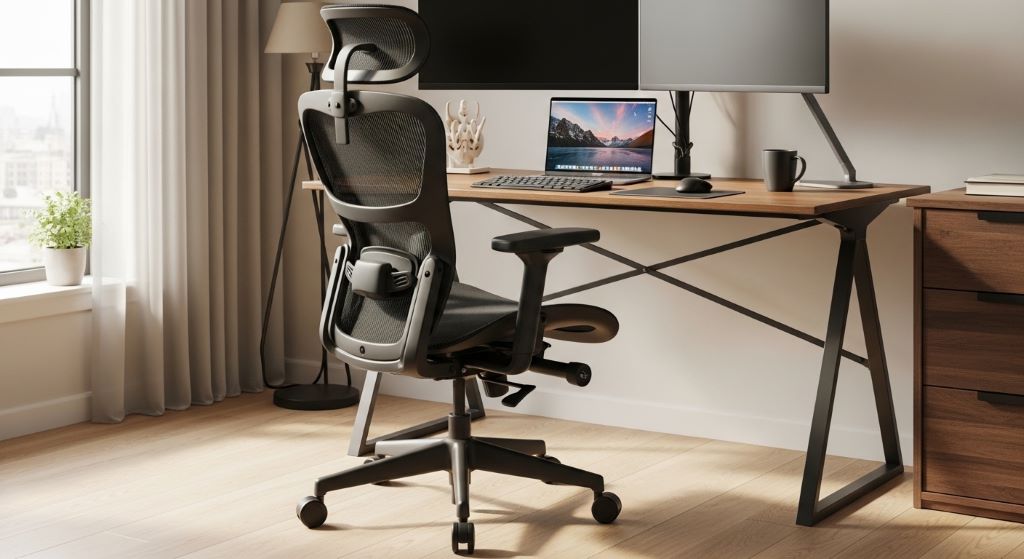
31 Mar How to Set Up a Work-from-Home Chair for Maximum Comfort
Remote work has transformed millions of dining chairs and couches into makeshift office seats. However, spending eight hours a day in furniture designed for meals or relaxation quickly leads to discomfort, pain, and decreased productivity. Setting up your chair correctly is the foundation of a comfortable and healthy workspace at home.
Many people assume that buying an expensive chair solves all their problems. Unfortunately, even the best chair won’t help if it’s not adjusted properly for your body and workspace. The good news is that you can dramatically improve your comfort by learning how to optimize your existing setup.
This guide will walk you through everything you need to know about creating a comfortable seating arrangement for remote work. You’ll discover practical adjustments, simple fixes, and affordable upgrades that make a real difference in how you feel during and after your workday.
Understanding Why Your Current Setup Hurts
Before making changes, it’s helpful to understand what’s causing your discomfort. Most work-from-home pain stems from a mismatch between your body and your furniture. Chairs designed for short-term sitting don’t provide the support needed for extended work sessions.
Your spine has natural curves that need consistent support throughout the day. When these curves aren’t maintained, muscles work overtime to hold you upright. This constant strain leads to fatigue, stiffness, and eventually chronic pain.
Additionally, poor positioning affects your circulation. Sitting with your feet dangling or your thighs compressed restricts blood flow to your legs. This causes numbness, swelling, and that uncomfortable tingling sensation after sitting too long.
Neck and shoulder pain often results from reaching for your keyboard or looking down at a laptop screen. These repetitive movements create tension that builds throughout the day. By the evening, what started as mild discomfort becomes genuine pain.
Adjusting Your Chair Height for Optimal Support
Chair height serves as the foundation for proper home office ergonomics. Getting this adjustment right affects everything else about your sitting position. Therefore, it should be your first priority when setting up your workspace.
Sit all the way back in your chair with your feet flat on the floor. Your knees should form roughly a 90-degree angle. If your knees are higher than your hips, your chair is too low. If your feet don’t touch the ground comfortably, it’s too high.
For chairs with adjustable height, make small changes until you find the sweet spot. Your thighs should be parallel to the floor or sloping slightly downward toward your knees. This position distributes your weight evenly and prevents pressure on the back of your thighs.
If your chair doesn’t adjust low enough and your feet dangle, use a footrest. A simple box or stack of books works in a pinch. The goal is to support your feet completely, which stabilizes your lower body and reduces strain on your back.
Conversely, if your chair won’t go high enough, you might need a seat cushion. This raises you up while maintaining the chair’s other supportive features. Choose a firm cushion that won’t compress too much under your weight.
Creating Proper Lower Back Support
Your lower back bears the brunt of sitting stress. The natural inward curve of your lumbar spine needs support to prevent slouching and the muscle fatigue that comes with it. Without proper support, you’ll unconsciously shift positions constantly, searching for comfort that never comes.
Many work-from-home chairs lack built-in lumbar support. Fortunately, you can add it yourself. A small pillow or rolled towel placed behind your lower back works surprisingly well. Position it where your back curves inward, typically just above your belt line.
The support should feel comfortable, not intrusive. You shouldn’t have to fight against it to sit back in your chair. If it pushes you forward, it’s either too large or positioned too low. Experiment with different sizes and positions until you find what works.
Lumbar support cushions designed specifically for chairs offer a more permanent solution. These attach to your chair back and provide consistent support. Look for ones with adjustable straps and varying thickness options to customize the fit.
Remember that your lower back support should keep your spine’s natural curve intact. You’re not trying to flatten your back against the chair. Instead, you’re maintaining the healthy S-curve that reduces stress on your vertebrae and surrounding muscles.
Positioning Your Armrests Correctly
Armrests significantly impact your upper body comfort and desk setup, yet they’re often adjusted incorrectly or ignored entirely. Proper armrest height prevents shoulder tension and reduces strain on your neck and upper back.
When typing or using your mouse, your shoulders should be relaxed, not hunched up or pulled down. Your elbows should rest comfortably on the armrests with your forearms roughly parallel to the floor. This creates that crucial 90-degree angle at your elbows.
If your armrests are too high, you’ll unconsciously lift your shoulders to use them. This creates constant tension in your trapezius muscles, leading to knots and headaches. Lower them until your shoulders can relax naturally.
Armrests that are too low force you to lean to one side or slouch forward to use them. This twists your spine and creates uneven pressure. Raise them until your arms can rest comfortably without bending your torso.
However, not all chairs have adjustable armrests. If yours are fixed at the wrong height, consider removing them entirely. Working without armrests is better than using poorly positioned ones that create tension and poor posture.
Optimizing Seat Depth and Angle
Seat depth affects both your back support and leg circulation. Many people overlook this adjustment, but it makes a substantial difference in remote work comfort. The right depth allows you to sit fully back in your chair while maintaining proper leg support.
Sit all the way back against your chair’s backrest. There should be about two to four inches of space between the back of your knees and the front edge of the seat. This gap prevents pressure on the vessels and nerves behind your knees.
If the seat is too deep, you’ll either lose contact with the backrest or experience pressure behind your knees. Some chairs have adjustable seat depth. Slide the seat pan forward until you achieve the proper spacing.
For chairs without depth adjustment, add a cushion behind your back to effectively shorten the seat. This moves you forward while still providing back support. Just ensure the cushion is firm enough to maintain its shape throughout the day.
Seat angle also matters. A slight forward tilt of a few degrees can reduce pressure on your lower back and improve your posture. However, too much tilt slides you forward out of your chair. Most people do best with a flat seat or minimal forward angle.

Working with Non-Adjustable Chairs
Not everyone has access to a fully adjustable office chair. Many remote workers make do with dining chairs, kitchen stools, or basic seating without any adjustment features. Fortunately, you can still create a comfortable setup with creative solutions.
Cushions become your primary adjustment tools. A firm seat cushion raises your height, while a lumbar pillow provides back support. Combine different cushions to achieve the positioning you need. Just ensure they’re firm enough to maintain their shape under prolonged use.
Books or blocks under your chair legs can raise the entire chair if needed. This works particularly well for dining chairs that sit too low relative to your desk. Ensure all legs are raised equally to maintain stability.
A footrest becomes essential when raising your seating height. This can be a purpose-built footrest, a sturdy box, or even a stack of books. The key is creating a stable surface that supports both feet completely.
Additionally, consider the chair’s overall structure. A chair with a straight back can work if you add proper lumbar support. However, chairs that force you to slouch or lean backward are problematic regardless of adjustments. Sometimes the best solution is finding a different chair altogether.
Creating the Right Relationship Between Chair and Desk
Your chair doesn’t exist in isolation. Its relationship to your desk determines whether all your careful adjustments actually improve your comfort. Therefore, you need to consider both pieces together when optimizing your workspace.
When seated correctly in your chair, your elbows should be at or slightly above desk height. This allows your forearms to rest comfortably while typing. If your desk is too high, you’ll hunch your shoulders. If it’s too low, you’ll slouch forward.
Most home desks aren’t adjustable. If yours is too high, raising your chair and adding a footrest often solves the problem. If it’s too low, you might need to raise the desk itself with bed risers or blocks under the legs.
Your keyboard and mouse should be close enough that you don’t reach forward. Reaching creates shoulder and neck tension. Pull your keyboard to the desk edge and position your mouse beside it at the same level.
Monitor placement affects your neck position. The top of your screen should be at or slightly below eye level, about an arm’s length away. This prevents the forward head posture that causes neck pain. Laptop users often need a separate keyboard and a stand to raise their screen.
Incorporating Movement into Your Day
Even the perfect chair becomes uncomfortable if you never leave it. Your body wasn’t designed for extended stillness. Therefore, incorporating regular movement is just as important as optimizing your seating position.
Set reminders to stand and move every 30 to 45 minutes. These breaks don’t need to be long. Even two minutes of walking or stretching makes a difference. Use these moments to refill your water, do a household task, or simply walk around.
While seated, perform small movements to keep your blood flowing. Ankle circles, shoulder rolls, and gentle neck stretches all help. These micro-movements don’t interrupt your work but provide relief to muscles holding static positions.
Consider alternating between sitting and standing throughout the day. A makeshift standing desk can be as simple as placing your laptop on a counter or high shelf. However, don’t stand all day either. The key is variation.
Strengthening exercises performed outside work hours improve your sitting tolerance. Core strength particularly helps you maintain good posture with less effort. Even ten minutes of daily core work makes sitting more comfortable.
Recognizing When You Need Professional Help
Sometimes, despite your best efforts, discomfort persists. Knowing when to seek expert advice prevents minor issues from becoming chronic problems. Additionally, professionals can identify factors you might have missed.
If pain continues for more than a few weeks despite improving your setup, consult a healthcare provider. They can rule out underlying conditions that wouldn’t improve with better ergonomics alone. Persistent pain deserves professional evaluation.
Physical therapists specialize in movement and posture. They can analyze your specific situation and provide targeted exercises and stretches. An ergonomics consultant can evaluate your workspace and suggest modifications tailored to your needs.
Numbness, tingling, or pain radiating into your arms or legs requires prompt attention. These symptoms might indicate nerve compression that needs treatment beyond chair adjustments. Don’t ignore warning signs that something more serious is developing.
Budget-Friendly Improvements That Work
Creating a comfortable workspace doesn’t require spending hundreds of dollars on premium furniture. Many effective solutions cost little or nothing. Smart, targeted improvements often outperform expensive purchases made without proper understanding.
Household items can serve as excellent ergonomic tools. Rolled towels for lumbar support, books as footrests, and cushions for height adjustment all work well. These solutions let you experiment with positioning before investing in specialized products.
Thrift stores and online marketplaces often have quality office chairs at fraction of retail prices. Many people sell barely used chairs when moving or changing jobs. You can find excellent options for your home office at significant savings.
Focus your budget on the one or two items that will make the biggest difference for your specific situation. If your biggest issue is lumbar support, invest in a quality lumbar cushion rather than an entirely new chair. Targeted solutions often provide better value than comprehensive but unnecessary purchases.
Conclusion
Setting up your work-from-home chair for maximum comfort starts with understanding the basic principles of home office ergonomics and desk setup. Proper chair height, adequate lumbar support, and correctly positioned armrests form the foundation of comfortable seating. However, these adjustments only work when combined with appropriate desk height and regular movement breaks.
Remember that remote work comfort comes from the relationship between all elements of your workspace, not just your chair alone. Take time to adjust each component and pay attention to how your body responds. Small tweaks often make significant differences in how you feel throughout the day.
Even if you’re working with non-adjustable furniture, creative solutions using household items can dramatically improve your comfort. The key is understanding what your body needs and finding ways to provide that support within your current situation and budget.
Invest time in optimizing your setup now, and you’ll reap the benefits in reduced pain, improved focus, and better overall wellbeing throughout your remote work journey.
Frequently Asked Questions
How long does it take to adjust to proper ergonomic positioning?
Most people need about one to two weeks to fully adapt to improved positioning. Initially, you might feel slight discomfort as muscles that have been underused start working properly. Your body is adjusting to healthier alignment, which can feel strange at first. Give changes time to work before deciding they’re not helping. However, sharp pain or worsening discomfort indicates something is wrong and requires immediate adjustment.
Can I use a gaming chair for work-from-home purposes?
Gaming chairs can work well for remote work if they have proper adjustable features. Look for adjustable height, armrests, and lumbar support. Many gaming chairs offer excellent ergonomic features at reasonable prices. However, some prioritize style over function, so test the adjustability before committing. The key is ensuring the chair fits your body and allows proper positioning relative to your desk.
What’s the best type of cushion for adding lumbar support?
The best lumbar cushion maintains your spine’s natural curve without pushing you forward. Memory foam cushions conform to your back shape and provide consistent support. However, they may be too soft for some people. Firmer foam or mesh cushions offer more structure. Look for cushions with adjustable straps to secure them at the right height. The ideal thickness varies by person, but most people do well with cushions between two and four inches thick.
Should my feet be flat on the floor or is a footrest better?
Either option works as long as your feet are fully supported and your thighs are parallel to the floor. Flat on the floor is ideal if your chair adjusts low enough. However, many people need their chair higher to match their desk, making a footrest necessary. A footrest also allows you to shift your foot position throughout the day, promoting circulation. The key is avoiding dangling feet, which restricts blood flow and strains your lower back.
How often should I replace my work-from-home chair?
Replace your chair when it no longer provides adequate support or when adjustment mechanisms fail. Quality chairs typically last five to ten years with regular use. Signs you need a replacement include sagging cushions that don’t bounce back, broken adjustments, visible frame damage, or persistent discomfort despite proper setup. If you develop new back pain and your chair is several years old, consider whether wear and tear has compromised its supportive qualities.
Related Topics:
Discovering Opportunities: Tools for Identifying Business Prospects
American Income Life Horror Stories: Dark Side of MLM Insurance
No Comments