

04 Aug How to Break Apartment Lease for Safety Violations
Yes, you can legally break your apartment lease for safety violations without penalty. If your landlord fails to maintain a habitable living space, most state laws allow you to terminate early. Document every issue carefully and follow the correct legal steps to protect yourself.
Living in an unsafe rental unit is more common than most people realize. Studies show that nearly 20% of American renters report serious housing code violations in their units. Furthermore, about 35% of low-income renters face habitability issues that go unaddressed for months.
Understanding Your Right to a Habitable Home
Every landlord in the country must provide a livable, safe rental unit. This legal duty is called the “implied warranty of habitability.” It covers essentials like heat, plumbing, structural safety, and pest control.
When a landlord ignores serious repair requests, they breach this warranty. That breach gives you legal grounds to act. Knowing this right is the first and most powerful step you can take.
Most states also have specific housing codes that define what counts as unsafe. These codes list conditions that make a unit legally uninhabitable. Violations of these codes can trigger your right to break the lease early.
What Qualifies as a Safety Violation?
Not every inconvenience counts as a safety violation. However, many serious conditions do qualify legally. Here are key examples:
- Broken heating or cooling systems during extreme weather
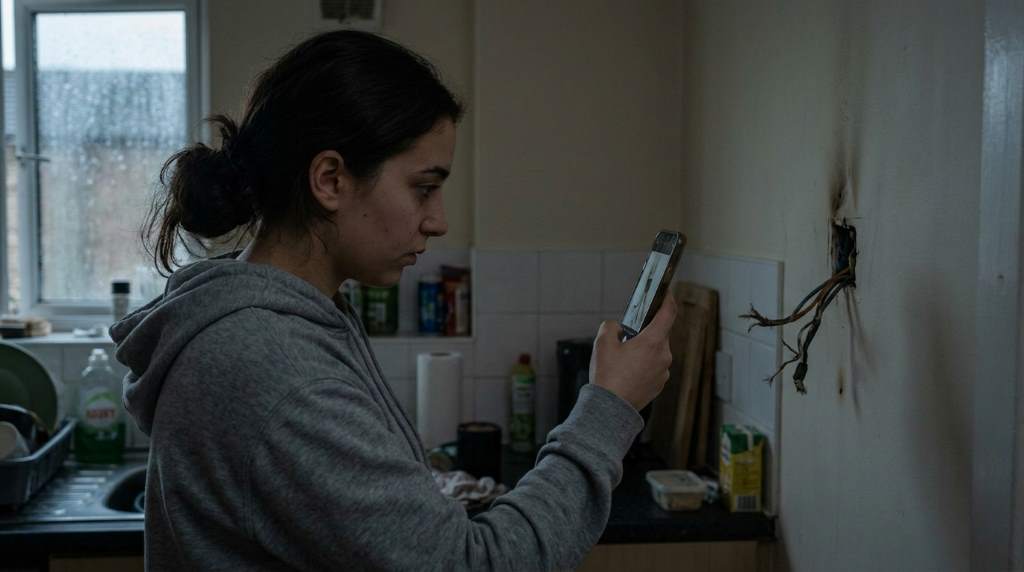
- Faulty electrical wiring or exposed live wires
- Severe mold growth affecting air quality
- Pest or rodent infestations that persist after complaints
- Structural damage like collapsing ceilings or floors
- Non-functional plumbing or sewage backups
- Missing or broken smoke and carbon monoxide detectors
- Lack of secure locks on doors and windows
These issues directly threaten your health and physical safety. Courts consistently recognize them as valid reasons to exit a lease. Always verify your specific state laws, as the list may vary slightly.
Step 1 – Document Everything Thoroughly
Before taking any legal action, you must build a solid record of evidence. Documentation is your strongest tool in any lease dispute. Start this process the moment you notice a safety issue.
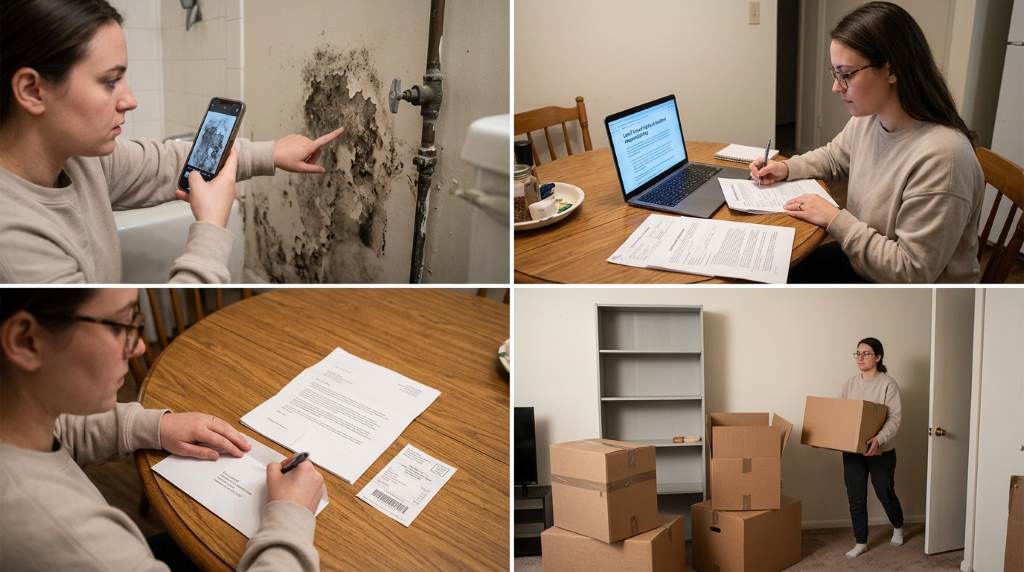
Take clear photos and videos of every problem you find. Include timestamps on all your files. Save every text message, email, and written notice you send or receive from your landlord.
Keep a written log that records the date you noticed each issue. Note every time you contacted your landlord about the problem. Also log their response or their failure to respond at all. Just as understanding healthcare regulatory defense standards requires clear documentation, so does building a strong housing violation case.
How to Notify Your Landlord in Writing
Always notify your landlord in writing about every safety concern. A verbal complaint is nearly impossible to prove later in court. Written notice creates a legal paper trail that protects you.
Send your notice via certified mail with return receipt requested. Email is also useful, but certified mail carries more legal weight. Keep a copy of every notice you send for your own records.
Your notice should describe the specific problem clearly and concisely. State the date you first noticed the issue. Then give the landlord a reasonable deadline to fix it, typically 14 to 30 days.
Step 2 – Report the Violation to Local Authorities
If your landlord ignores your written notice, contact your local housing authority. Filing an official complaint creates a public government record. This record strongly supports your case if you go to court later.
A housing inspector will visit your unit and assess the conditions. If they confirm violations, they will issue an official notice to your landlord. This government notice is powerful evidence that the safety problem is real and serious.
Some cities also have a tenant services hotline that can guide you through this process. Look up your city or county housing department online. Acting through official channels shows you followed proper procedures before leaving. When navigating landlord disputes, consulting resources about fighting legal charges effectively can help you understand how procedural steps matter in court outcomes.
Contact a Tenant Rights Organization
Many cities have nonprofit organizations dedicated to helping renters with exactly this kind of issue. These groups offer free or low-cost legal advice. They can review your situation and explain your specific rights under state law.
A tenant advocate can also help you draft a proper lease termination letter. They know local laws and common landlord tactics well. Their guidance can save you significant time, money, and stress.
Some organizations even represent tenants in housing court at no charge. Finding local help early in the process is a smart move. Search online for “tenant rights organization” plus your city or state name.
Step 3 – Send a Formal Lease Termination Notice
Once you have documented the issue and reported it, you can send your formal termination notice. This notice officially tells your landlord you plan to vacate. It must clearly state the safety violations as your legal reason for leaving.
Your termination notice should reference the specific housing code violations. Mention the dates you previously reported the issues to the landlord. Also note that the landlord failed to make repairs within the required timeframe.
Send this letter via certified mail and keep the receipt. Give the landlord the legally required notice period, which varies by state. In most states, this ranges from 7 to 30 days after sending your notice. Understanding how insurance coverage affects personal injury recovery is a reminder that legal technicalities always matter when filing formal claims.
What to Include in Your Termination Letter
A strong termination letter must cover several key points clearly. Here is what to include:
- Your full name and current rental address
- The date of the letter and your intended move-out date
- A specific description of each safety violation
- Dates when you reported each issue to the landlord
- Reference to applicable state housing codes or statutes
- A demand for the return of your full security deposit
- A request for written confirmation of your lease termination
Keep your language factual, calm, and professional throughout. Avoid emotional language or personal accusations. A clear, direct letter carries the most legal weight.
Step 4 – Know Your Options for Getting Your Deposit Back
After a valid lease termination for safety violations, you are entitled to your full security deposit. Your landlord cannot legally withhold it for lease-breaking in this situation. You must formally request it in writing.
Most states require landlords to return deposits within 14 to 30 days after you vacate. If they fail to return it, you can sue them in small claims court. Many states allow tenants to recover double or even triple the deposit amount as a penalty.
Take photos of your unit on your last day there as additional proof of its condition. Return all keys promptly and get written confirmation. These final steps help you avoid any false claims of damage from the landlord.
When to Consult a Tenant Attorney
Sometimes a landlord will fight back aggressively after receiving your termination notice. In those cases, hiring a tenant attorney is a wise investment. Many tenant lawyers offer free initial consultations.
An attorney can send a formal demand letter that carries significant legal weight. They can also represent you in court if necessary. Having legal representation often pushes landlords to settle quickly and fairly.
Legal aid societies in most cities provide free attorney services to qualifying renters. You do not always need to pay out of pocket for help. Explore all your options before assuming you cannot afford legal support.
Avoiding Common Mistakes During This Process
Many tenants make avoidable errors that weaken their case significantly. Here are the most common mistakes to watch for:
- Stopping rent payments without following the legal process first
- Moving out without sending any written notice to the landlord
- Failing to give the landlord time to repair issues before leaving
- Relying only on verbal complaints with no written documentation
- Ignoring the specific notice requirements of your state law
Each of these mistakes can result in financial penalties or legal liability. Always follow the proper legal process step by step. Taking shortcuts can turn a strong case into a costly legal problem.
Conclusion
Breaking an apartment lease for safety violations is completely legal when you follow the right steps. You must document the issues, notify your landlord in writing, report violations to authorities, and send a formal termination notice. Taking these steps carefully protects you from financial penalties and legal trouble.
Your safety and wellbeing matter far more than any rental contract. Do not stay in an unsafe home simply out of fear of your lease. Take action today by gathering your evidence, contacting a local tenant rights group, and asserting your legal rights with confidence.
Frequently Asked Questions
Can I break my lease without penalty for mold in my apartment?
Yes, severe mold that affects health and air quality qualifies as a habitability violation, allowing legal early lease termination.
How much notice must I give my landlord before breaking a lease for safety reasons?
Most states require 7 to 30 days of written notice, so check your specific state’s tenant protection laws for the exact requirement.
Will breaking a lease for safety violations hurt my rental history or credit score?
No, a properly documented and legally executed lease termination for safety violations should not negatively impact your rental history or credit.
What if my landlord refuses to acknowledge the safety violations I reported?
File an official complaint with your local housing authority immediately, as their inspection report creates strong independent evidence of the problem.
Can I withhold rent instead of breaking my lease for safety violations?
Some states allow rent withholding for habitability issues, but you must follow a strict legal process to avoid eviction risk.
No Comments