


29 Dec 6 Legal Defenses That Can Help Beat Assault Charges
Key Takeaways
- Assault charges are serious and can have long-lasting consequences, making early legal guidance essential.
- Understanding possible defenses can help you protect your rights and strengthen your case.
- Self-defense and defense of others require a reasonable belief of immediate danger and proportional use of force.
- Defense of property and consent are limited defenses and depend heavily on the circumstances and jurisdiction.
- Lack of intent can apply when harm was accidental rather than intentional.
- An alibi can be one of the strongest defenses by proving you were not present at the scene.
- Every case is unique, so working with an experienced criminal defense attorney is critical to achieving the best possible outcome.
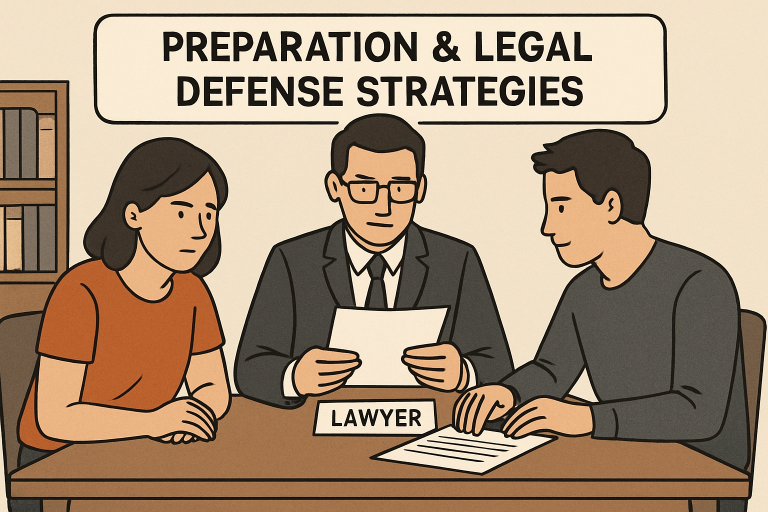
Facing assault charges is a serious matter, with potential consequences that can affect nearly every aspect of your life. However, understanding the legal defenses available to you may open up paths toward acquittal, dismissal, or a reduction in charges. Consulting a qualified law firm, such as The Martin Law Firm early in the process can make a significant difference to your strategy and future.
Criminal defense attorneys work to analyze circumstances, evidence, and the intent behind the alleged offense to determine which approach best fits your case. From claims of self-defense to establishing an alibi, knowing these potential defenses empowers you and ensures that your rights are protected every step of the way.
The exact defense available will depend on the unique facts and legal standards of the jurisdiction where your case is handled. Navigating the criminal justice system without proper guidance can be daunting, which is why legal counsel can help clarify your options, uncover mitigating evidence, and advocate on your behalf effectively.
Here’s a closer look at six of the most effective legal defenses that may be used to contest assault charges, shedding light on their requirements and limitations.
1. Self-Defense
Self-defense is one of the most commonly invoked legal defenses in assault cases. It is based on the fundamental right to protect oneself from imminent harm. To utilize this defense, defendants must usually demonstrate two critical elements: a reasonable belief that they were in immediate danger of being harmed and that the force used in response was proportional to the threat faced.
If the defendant’s actions exceeded what would be considered reasonable, such as using deadly force in response to a non-lethal threat, this defense may not be successful. Each detail matters, including the size, strength, and actions of both defendant and accuser during the incident.
2. Defense of Others
Similar to self-defense, this strategy applies when someone intervenes to protect another individual from imminent harm. The core principle is that one person can lawfully use reasonable force to defend a third party, provided their belief in the necessity of intervention was genuine and logically justified under the circumstances.
The proportionality of the response is also key here. For example, stepping in to shield someone from a credible threat of violence can be a legitimate use of force, as long as it does not exceed the level necessary to avert the immediate danger.
3. Defense of Property
Many jurisdictions recognize the right to use a reasonable amount of force to prevent the unlawful taking or damaging of property. However, this defense comes with significant limitations. The force used must only be what is strictly necessary to prevent property loss or damage—it cannot be excessive or retaliatory.
This defense often surfaces in cases involving burglary, theft, or vandalism, where the owner is present and attempts to intervene. Lethal force, except in rare and specific circumstances (such as home invasion in certain states), may not be justified.
4. Consent
In specific settings, consent can be a viable legal defense—especially in contact sports, mutual physical contests, or consensual activities. If the alleged victim knowingly and voluntarily agreed to participate in an activity where some risk of injury is expected, this may negate criminal liability for what otherwise would be classified as assault.
However, consent is not an all-encompassing waiver. In situations where a serious injury occurs or consent was obtained through fraud, intimidation, or when the individual lacks the legal capacity to give consent, this defense may fall short. Prosecutors will scrutinize the extent and nature of consent involved in the incident.
5. Lack of Intent
Most assault charges require the prosecution to prove that the accused intended to cause apprehension or harm. Accidental actions that result in unintended harm typically do not meet the legal threshold for assault, as intent is a necessary component of the charge.
Demonstrating a lack of intent may involve witness statements, surveillance footage, or contextual evidence that shows the event resulted from a misunderstanding or misinterpretation. For example, an accidental bump in a crowded space generally doesn’t constitute an assault.
6. Alibi
An alibi is one of the strongest possible defenses, as it directly disputes the prosecution’s assertion that the defendant was present at the crime scene. Through credible documentation or testimony such as receipts, surveillance video, or witness statements, defendants can establish their presence elsewhere at the time of the alleged offense, creating reasonable doubt in the prosecution’s case.
In many cases, presenting a solid alibi early in the investigative process can even lead to charges being dropped before reaching trial. Proper documentation and corroboration from reliable sources are crucial to making this defense effective.
When to Seek Legal Help
Every assault case is unique, and the effectiveness of each defense strategy varies based on specific facts, jurisdiction, and the presence of corroborating evidence. Legal representation ensures that your rights are safeguarded and that you receive professional guidance tailored to your case’s nuances.
Conclusion
Facing assault charges can feel overwhelming, but understanding the six primary legal defenses—self-defense, defense of others, defense of property, consent, lack of intent, and alibi—provides a critical foundation for protecting yourself in court. When deployed with the help of an experienced lawyer, these strategies may pave the way for exoneration or reduced legal consequences. Every case deserves a thorough, strategic approach aimed at achieving the fairest possible outcome.
No Comments