


11 Nov Difference Between Temporary and Supervised Visitation
Discover the key differences between temporary and supervised visitation in family law. Parents navigate these custody options during disputes. This guide explains each type clearly. Learn how courts decide. Gain practical tips for your situation.
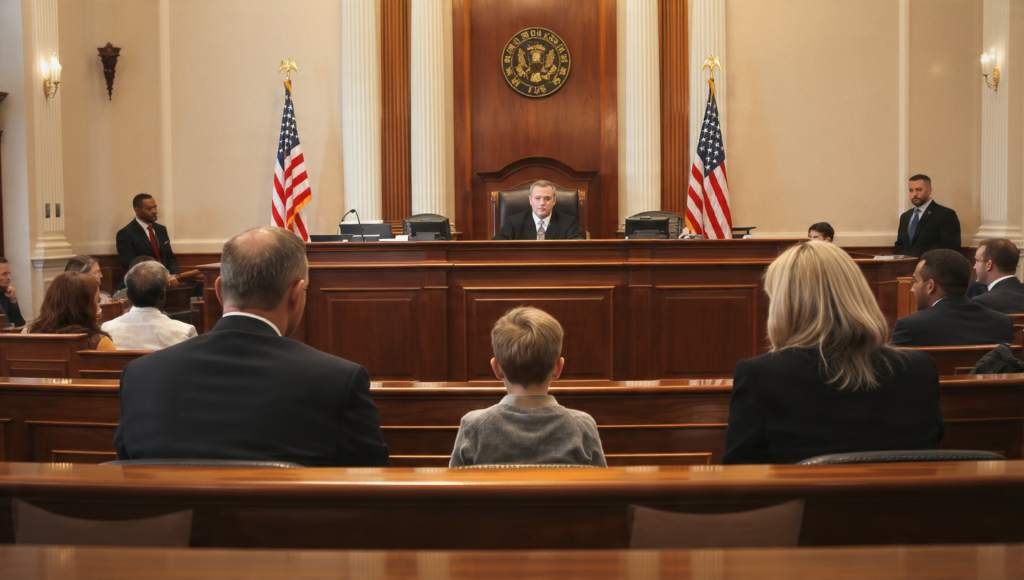
Imagine a family court judge banging the gavel. Two parents fight over time with their child. One gets short visits. The other needs a watcher present. This scene plays out often in custody battles. Temporary visitation and supervised visitation serve different goals in child custody. They protect kids while parents sort issues.
First, temporary visitation acts as a short-term plan. Courts set it during ongoing cases. It lasts until a final order. Supervised visitation requires an adult to monitor every meeting. Safety drives this rule.
Statistics show the stakes. The U.S. Census Bureau reports over 13 million children live apart from one parent. Moreover, the National Center for State Courts notes 20% of custody cases involve restricted access. These numbers highlight why parents must grasp visitation differences. Knowledge helps families heal faster.
What Is Visitation in Family Law?
Visitation forms the backbone of parenting after separation. Courts grant non-custodial parents time with children. This right supports bonds. However, judges prioritize child welfare.
Family law views visitation as essential. Kids thrive with both parents. Yet, conflicts arise. Abuse allegations or neglect trigger limits. Thus, courts tailor plans.
Parents often confuse terms. Visitation means scheduled visits. Custody covers decision-making. Visitation focuses on physical time. Understanding this clears confusion.
Courts issue orders. These detail days, times, and locations. Violations lead to penalties. Compliance builds trust. Now, dive into specific types.
Related:
How Child Support Recalculations Work After Job Loss
Navigating Child Custody Battles: What Parents Need to Know
Defining Temporary Visitation
Temporary visitation bridges gaps in custody fights. Judges order it early. It applies while cases pend. Final hearings take months or years.
This setup provides stability. Kids maintain routines. Parents test arrangements. Courts gather feedback. Adjustments happen quickly.
For example, a parent moves out. Court sets weekend visits. This lasts until trial. Temporary orders expire automatically. Permanent ones replace them.
Judges consider factors. They look at work schedules. Home environments matter. Child preferences count if older. Flexibility marks temporary plans.
Moreover, these orders change easily. New evidence prompts reviews. Parents file motions. Courts respond fast. This contrasts with rigid final decrees.
Key Features of Temporary Visitation
Temporary visitation stands out for its brevity. It serves as a placeholder. Courts design it for transitions.
- Duration: Lasts weeks to months. Ends with permanent custody.
- Purpose: Maintains parent-child ties during disputes.
- Flexibility: Easy to modify with court approval.
- Scope: Often mirrors proposed permanent plans.
Parents follow strict rules. Pickup times must match. Locations stay neutral. Communication stays civil. Violations risk future rights.
In practice, temporary visits occur unsupervised usually. Safety concerns shift this. However, standard cases allow freedom. Parents build positive histories.
Transitioning smoothly, courts monitor progress. Therapists report sometimes. This data shapes finals. Temporary phases prove parenting skills.
Defining Supervised Visitation
Supervised visitation demands oversight. A neutral adult watches every interaction. This protects vulnerable children. Courts mandate it for risks.
Safety fuels these orders. Past abuse triggers them. Substance issues qualify. Mental health concerns apply too. The goal? Prevent harm.
Supervisors vary. Professionals work at centers. Family members serve if approved. Agencies provide trained staff. Consistency matters most.
Visits happen in controlled spots. Parks or homes work sometimes. Centers offer toys and security. Sessions last hours typically.
Furthermore, records keep detailed notes. Supervisors log behaviors. Courts review reports. Improvements lift supervision eventually.
Core Elements of Supervised Visitation
Supervised visitation emphasizes protection. It rebuilds trust slowly. Courts enforce strict protocols.
- Oversight: Adult present at all times.
- Locations: Secure, neutral sites preferred.
- Duration: Short sessions, like 1-2 hours.
- Documentation: Written reports after each visit.
Parents pay attention to rules. No gifts without permission. Physical contact limits apply. Topics stay child-focused. Breaches end visits early.
Over time, success leads to changes. Consistent good behavior helps. Courts graduate to unsupervised. This motivates parents.
Additionally, therapy often pairs with supervision. Counselors guide interactions. Progress accelerates. Families reunite stronger.
Main Differences Between Temporary and Supervised Visitation
Temporary and supervised visitation differ sharply. One focuses on time. The other on safety. Parents spot contrasts easily.
First, duration sets them apart. Temporary lasts briefly. Supervised extends indefinitely until risks fade.
Second, supervision defines the gap. Temporary allows alone time usually. Supervised requires watchers always.
Third, purposes vary. Temporary stabilizes during cases. Supervised addresses dangers directly.
| Aspect | Temporary Visitation | Supervised Visitation |
| Length | Short-term | Ongoing until safe |
| Oversight | Rare | Always required |
| Flexibility | High | Low |
| Goal | Bridge to permanent | Ensure child safety |
Moreover, costs differ indirectly. Temporary needs no extras. Supervised involves fees for monitors sometimes.
Examples clarify. A divorce pending? Temporary weekends apply. Abuse history? Supervised hourly meets.
Thus, courts mix them rarely. Temporary can include supervision if needed. Pure forms dominate.
When Courts Order Temporary Visitation
Courts turn to temporary visitation in flux. Separations start chaos. Kids need normalcy fast.
Judges act at initial hearings. Parents request plans. Evidence sways decisions. Interim orders follow.
Common triggers include:
- Pending divorce filings.
- Custody modification requests.
- Emergency separations.
Additionally, relocations prompt them. One parent moves. Court sets visits en route to finals.
Parents prepare evidence. Calendars show availability. Child needs highlight priorities. Judges balance equities.
Furthermore, violations enforce strictly. Missed picks hurt cases. Consistency wins points.
Scenarios for Supervised Visitation
Supervised visitation arises from red flags. Courts protect at all costs. Risks demand action.
Typical cases involve:
- Domestic violence histories.
- Drug or alcohol addictions.
- Neglect or abandonment claims.
- Mental illness instabilities.
For instance, a parent completes rehab. Court orders supervised restarts. Progress monitors closely.
Another example: False allegations surface. Supervision tests truths. Innocent parents prove bonds.
Moreover, high-conflict pairs qualify. Constant fights harm kids. Neutrals intervene.
Courts review periodically. Improvements lift orders. Setbacks extend them.
Pros and Cons of Temporary Visitation
Temporary visitation offers breathing room. It tests real life. However, uncertainty lingers.
Pros:
- Provides quick structure.
- Allows adjustments based on feedback.
- Maintains relationships amid chaos.
- Prepares for permanent setups.
Parents appreciate predictability. Kids adjust smoother. Bonds stay intact.
Cons:
- Feels unstable long-term.
- Requires court involvement for changes.
- Can prolong disputes if abused.
Despite drawbacks, it beats no contact. Families navigate better.
Advantages and Disadvantages of Supervised Visitation
Supervised visitation shields children. It rebuilds safely. Yet, it strains emotions.
Advantages:
- Ensures immediate protection.
- Builds evidence for future changes.
- Facilitates professional guidance.
- Prevents isolation from parents.
Kids feel secure. Parents learn skills. Progress feels tangible.
Disadvantages:
- Limits natural interactions.
- Increases emotional stress.
- Involves logistics and scheduling.
- Stigmatizes the supervised parent.
Nevertheless, it saves lives sometimes. Commitment turns tides.
How Courts Decide Between Them
Courts weigh evidence heavily. Child best interests rule. Factors guide choices.
Judges examine:
- Allegation severity.
- Parent cooperation levels.
- Child age and wishes.
- Expert recommendations.
For temporary, low risks suffice. Supervised needs proof of danger.
Furthermore, guardians ad litem investigate. Reports influence deeply.
Parents advocate effectively. Lawyers present cases. Mediation resolves often.
Decisions evolve. Reviews happen regularly. Adaptations follow facts.
Real-Life Examples and Case Studies
Stories bring clarity. Consider Sarah’s case. Divorce dragged on. Court granted temporary weekends. She proved reliability. Final order expanded time.
Now, Mike’s story. Addiction history led to supervised visits. Center meetings started. Sobriety milestones lifted oversight after a year.
Another case: High conflict exes. Temporary plan included supervision initially. Therapy reduced it gradually.
These examples show paths. Determination pays off. Courts reward efforts.
Statistics reinforce. A 2023 study by the American Bar Association found 65% of supervised cases transition to unsupervised within two years.
Tips for Parents Facing These Visitations
Parents thrive with strategies. Preparation eases stress. Focus on kids.
For temporary:
- Document everything positively.
- Communicate clearly with ex.
- Seek mediation for tweaks.
- Build a strong routine.
In supervised settings:
- Arrive early and prepared.
- Engage positively with child.
- Follow supervisor instructions.
- Attend required therapy.
Moreover, journal interactions. Evidence supports petitions.
Lawyers help immensely. Free resources exist too. Support groups connect peers.
Impact on Children
Children feel visitation types deeply. Temporary offers consistency. They adapt to schedules.
Supervised provides safety nets. Kids express freely sometimes. However, artificial settings confuse.
Long-term, positive visits boost resilience. Studies from Child Welfare Information Gateway show involved parents reduce behavioral issues by 30%.
Parents prioritize fun. Games and talks strengthen ties. Healing follows.
Legal Processes Involved
Processes start with filings. Petitions detail requests. Hearings schedule quickly.
Temporary orders issue ex parte sometimes. Emergencies allow this. Full hearings follow.
Supervised requires proofs. Affidavits and witnesses. Motions specify supervisors.
Appeals possible but rare. Standards stay high. Compliance avoids escalations.
Furthermore, states vary rules. Local laws guide. Consult professionals always.
Transitioning from One to the Other
Transitions happen naturally. Temporary ends at finals. Supervised lifts with proof.
Steps include:
- Consistent compliance.
- Therapy completion.
- Positive reports.
- Court motion filing.
Judges approve gradually. Phased increases common. Unsupervised trials start.
Patience keys success. Rushed changes backfire.
Common Misconceptions
Myths cloud understanding. Temporary isn’t permanent. It tests grounds.
Supervised doesn’t mean guilty. It protects proactively.
Another: Supervision lasts forever. No, improvements end it.
Clarify with facts. Education empowers parents.
State Variations in Laws
Laws differ by state. California emphasizes safety plans. Texas focuses on bonds.
Research local statutes. Uniform Child Custody Jurisdiction Act standardizes some.
However, core principles align. Best interests prevail everywhere.
Role of Professionals
Professionals guide journeys. Lawyers argue cases. Therapists heal wounds.
Supervisors observe neutrally. Reports carry weight.
Guardians represent kids. Recommendations sway courts.
Teamwork accelerates positives.
Conclusion
Temporary visitation bridges custody gaps temporarily. Supervised ensures safety with oversight. Differences center on duration, risk, and flexibility. Parents grasp these for better outcomes. Courts prioritize children always. Use tips, seek help, and stay consistent. Take action now: Consult a family lawyer today to review your visitation plan.
FAQs
What triggers supervised visitation over temporary?
Courts choose supervised for proven risks like abuse or addiction. Temporary applies in standard disputes without dangers.
Can temporary visitation become supervised later?
Yes, new evidence of harm prompts changes. Parents file motions with proofs.
How long does supervised visitation typically last?
It varies, often 6-24 months. Consistent progress shortens it.
Do children benefit from supervised visits?
Absolutely, when risks exist. It maintains bonds safely and reduces trauma.
Is temporary visitation always unsupervised?
Usually yes, unless early concerns arise. Courts specify if needed.
References
- S. Census Bureau child custody data: https://www.census.gov/topics/families/families-and-households.html
- National Center for State Courts report: https://www.ncsc.org/topics/children-families-and-elders/child-custody-and-visitation
- American Bar Association family law study: https://www.americanbar.org/groups/family_law/
- Child Welfare Information Gateway resources: https://www.childwelfare.gov/topics/systemwide/laws-policies/statutes/visitation/
No Comments