What Does Relationship Resilience Mean?
Relationship resilience refers to a couple’s capacity to recover, adapt, and grow through difficult circumstances. Whether faced with major life changes or daily stressors, resilient couples learn how to reconnect, communicate, and move forward together. Developing resilience is an intentional process that calls for openness, commitment, and a willingness to address challenges as a team.
Professional resources like couples therapy in Baltimore MD can be instrumental for couples navigating hardship or seeking deeper intimacy. Therapy offers a supportive pathway to processing past wounds, strengthening communication skills, and creating new patterns that reinforce trust and partnership for the long term.
Challenges That Test Connections
Every relationship faces obstacles like financial struggles, illness, parenting stresses, or major life changes that can weaken bonds. Minor stressors such as misaligned schedules or disagreements can erode intimacy if unresolved. Chronic stress harms emotional and physical health, so proactive strategies help couples stay united. Experts recommend couples discuss expectations openly and revisit them regularly to prevent issues. Prioritizing each other, even in small ways, fosters resilience and long-term connection.
Why Communication Matters Most
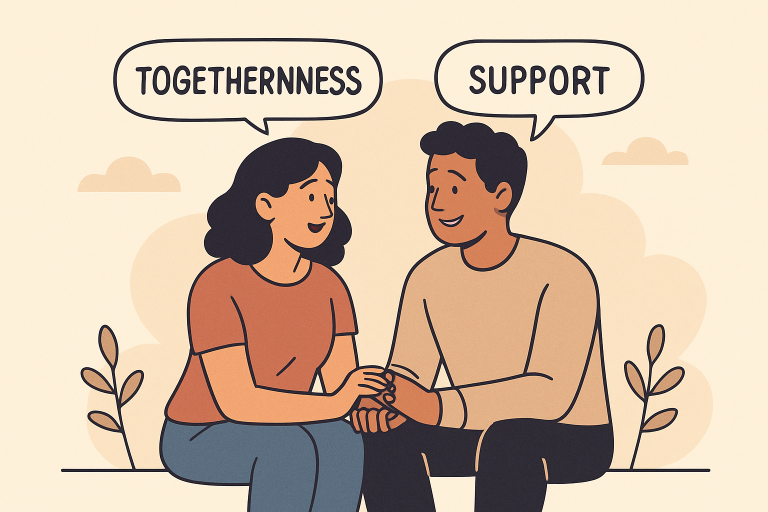
Effective communication is key to healthy relationships, especially during tough times. It involves not just sharing info but truly listening, understanding, and expressing support through words and actions. Regular check-ins and honest talks about needs, disappointments, and hopes help prevent misunderstandings from turning into resentment. Keeping communication open and judgment-free makes difficult conversations productive. Patience and empathy create a safe space where both partners feel valued and heard.
Keys to Rebuilding Trust When It’s Broken
Rebuilding trust requires honesty, admitting mistakes, and open communication. Patience is key, as healing takes time and both partners must accept gradual progress. Clear boundaries ensure emotional safety, privacy, and digital agreements. Demonstrating accountability with reliable actions rebuilds credibility. Rekindling connection involves spending meaningful time together, engaging in teamwork, and maintaining traditions. Shared experiences foster positive emotions, reinforce togetherness, and create lasting memories of shared successes and challenges, strengthening the relationship.
How Professional Guidance Helps
Sometimes, self-help isn’t enough if couples remain stuck in patterns or unresolved conflicts. Professional counseling offers a neutral space to explore dynamics, learn communication skills, and rebuild connections. Seeking therapy isn’t a sign of failure but a proactive step toward a resilient relationship. Many couples find therapy useful for emotional growth and unity.
Science-Backed Strategies for Building Closeness
The text highlights strategies for improving relationship satisfaction and resilience. Regular gratitude, even for small gestures, boosts positive feelings and security. Empathy by understanding and validating a partner’s emotions correlates with higher satisfaction and less conflict. Using “we” language during problems strengthens partnership and frames challenges as shared. Nonverbal gestures like holding hands, eye contact, or touch promote safety and intimacy. These research-supported practices can help couples navigate difficulties and foster connection.
Developing Resilience Together
Resilience in relationships involves embracing challenges as growth opportunities, supporting each other through uncertainty, and fostering open communication. Celebrating progress and emotional safety helps build a strong, fulfilling partnership. Prioritizing vulnerability and learning ensures couples face future difficulties confidently and stronger together.
Conclusion: Strengthening Relationships Through Resilience
Relationship resilience isn’t about avoiding difficulties but navigating them with patience, honesty, and teamwork. By emphasizing communication, trust, and support, couples turn challenges into deeper connection opportunities. Small daily habits and professional help reinforce safety and unity. Ultimately, resilience is a shared practice that helps couples grow stronger, protect their bond, and withstand life’s ups and downs.